Maximizing Indoor Air Quality During the Humid Houston Summer
Houston summers bring long stretches of heat along with heavy moisture in the air. While an air conditioner removes some humidity as it cools, many homes still feel damp, stuffy, or uncomfortable during the hottest months. That excess moisture can also make airborne contaminants and odors more noticeable.
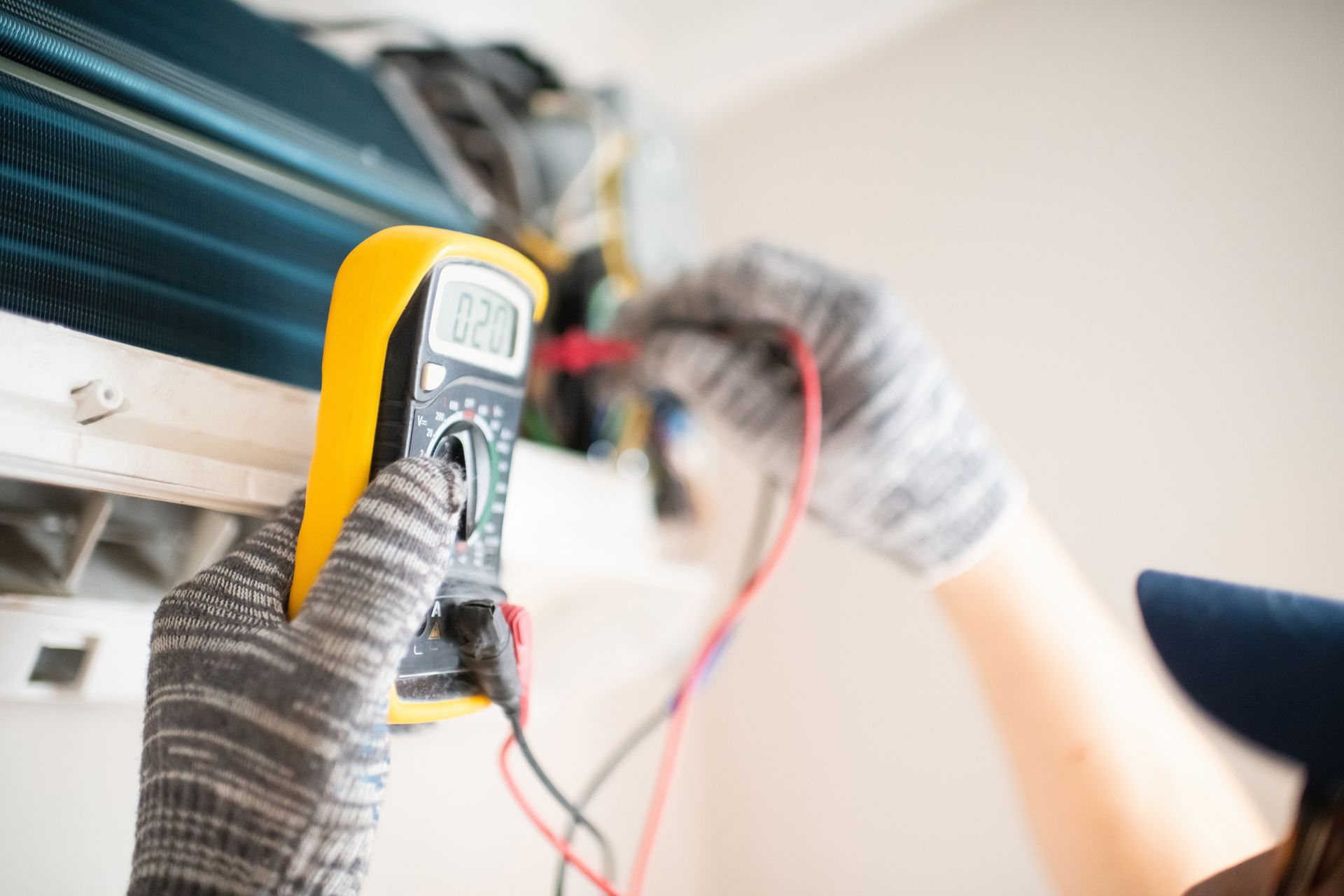
Protecting indoor air quality in Houston, TX, requires more than lowering the thermostat. Homeowners should consider how humidity, filtration, airflow, and HVAC performance work together. A professional assessment can reveal which part of the system needs attention and help create a more comfortable indoor environment.
Why Summer Humidity Affects the Air Inside Your Home
Humid outdoor air enters through doors, small gaps, and normal household activity. Cooking, showering, and drying clothes can add even more moisture. When the HVAC system cannot remove enough of it, indoor humidity may remain high even when the temperature feels cool.
High humidity can support mold growth where moisture lingers. It may also contribute to musty odors, condensation, and a clammy feeling. Dust mites thrive in humid conditions, which can concern people with allergies or respiratory sensitivities.
An oversized air conditioner may worsen the problem because it can cool the home too quickly. The system shuts off before it has run long enough to remove adequate moisture. A technician can evaluate equipment sizing, operating cycles, and drainage to determine whether the cooling system is controlling both temperature and humidity properly.
Improve Indoor Air Quality in Houston, TX, With Humidity Control
A whole-home dehumidifier works with the HVAC system to remove moisture throughout the house. Unlike a portable unit that serves one room, whole-home equipment treats air as it moves through the ductwork. This approach can provide steadier humidity control across multiple living spaces.
Humidity control may help the home feel comfortable at a slightly higher thermostat setting. Drier air supports the body’s natural cooling process, which may reduce demand on the air conditioner during intense heat.
The right solution depends on the home’s size, duct configuration, insulation, and existing HVAC equipment. Professional testing is important because overly dry air can create comfort problems of its own. The goal is balanced moisture control that supports comfort without pushing humidity too low.
Choose Filtration That Matches Your HVAC System
Air filters capture particles before they circulate through the home or collect inside HVAC equipment. Standard filters may handle larger dust particles, while higher-efficiency filters can capture smaller contaminants. However, a filter that restricts too much airflow can create performance problems when it is not suited to the system.
A technician can recommend a filter based on airflow requirements and household concerns. Homes with pets, allergy sufferers, or frequent dust may benefit from upgraded filtration that captures more particles while maintaining proper airflow.
Filtration is an important part of indoor air quality in Houston, TX, but it cannot solve every issue by itself. Filters do not directly control humidity, and some very small particles or biological contaminants may require additional air-cleaning equipment.
Consider Air Purification for Smaller Contaminants
Air purification systems can supplement filtration when a household needs broader contaminant control. Electrostatic systems use an electrical charge to attract small particles, while ultraviolet equipment targets certain microorganisms as air passes through the HVAC system.
These systems should match the contaminants present and the design of the home’s equipment. A professional can explain what each option addresses and where it should be installed for reliable performance.
Air purification may be especially useful when residents notice recurring odors, airborne irritants, or concerns related to mold spores. It works best as part of a complete plan that also addresses moisture sources, filtration, and airflow.
Do Not Overlook Ductwork and Air Balance
Even high-quality indoor air equipment cannot perform well when airflow is uneven. Leaky, damaged, or poorly balanced ducts may allow contaminants from attics or other unconditioned spaces to enter the air stream. They can also leave some rooms with weak circulation and inconsistent comfort.
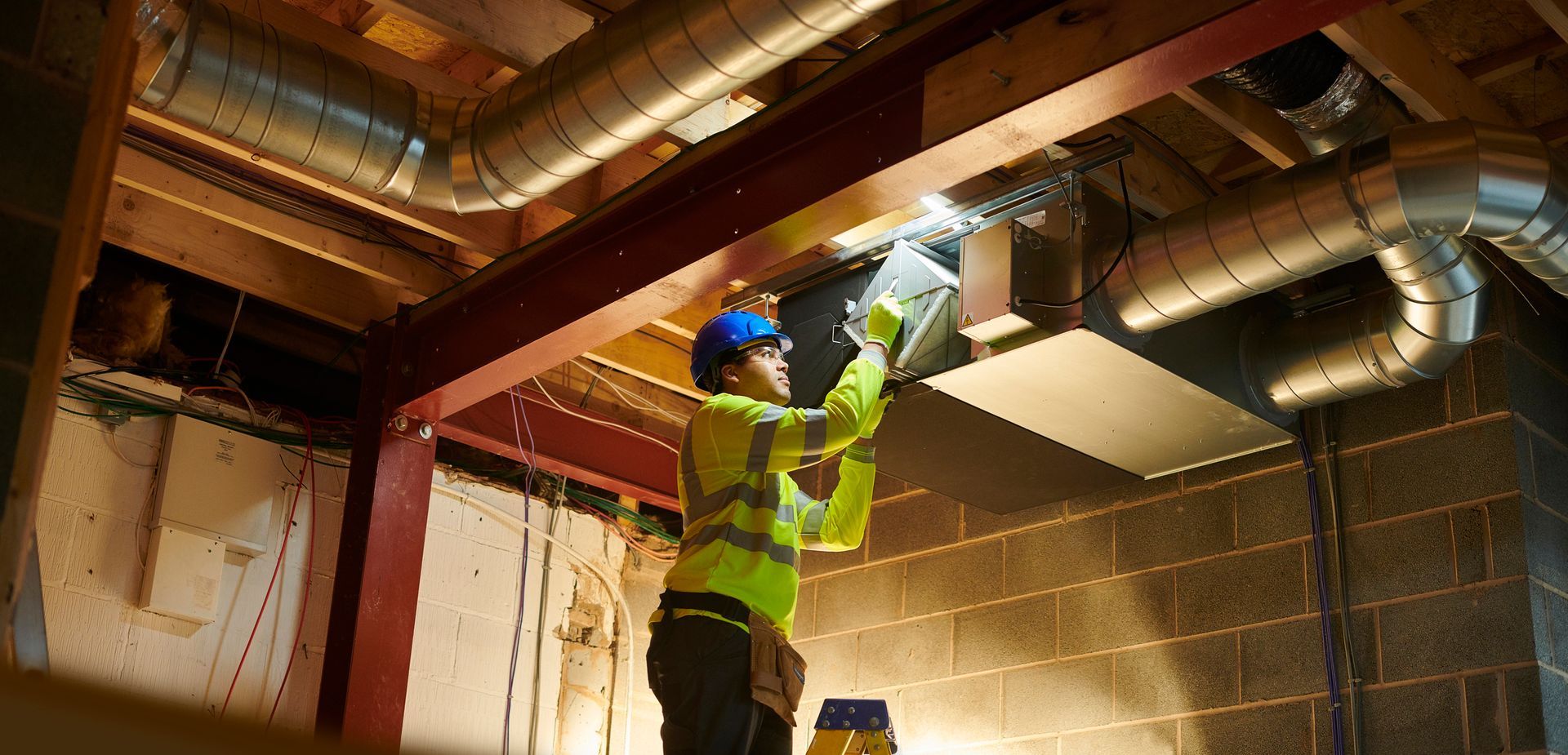
Professional air balancing measures pressure and airflow throughout the duct system. Adjustments can improve distribution and air turnover, while an inspection may uncover leaks, insulation problems, or damaged sections.
Balanced airflow supports indoor air quality in Houston, TX, by helping filtration, humidity control, and purification equipment treat air more consistently throughout the home. It can also reduce hot and cold spots that encourage homeowners to keep changing the thermostat.
Schedule an Indoor Air Quality Assessment
Every home has a different combination of humidity, airflow, and airborne contaminants. At Houston Admiral, we evaluate the full HVAC system and recommend solutions based on the conditions inside your home. Our technicians install humidity control, air filtration, purification, and air-balancing equipment designed for lasting performance.
Improve indoor air quality in Houston, TX, before humid summer conditions create greater discomfort. Contact us today to schedule an indoor air quality assessment and find the right approach for your home.